Understanding Cross-Border Migration: Developments, Challenges, and Possibilities in a Shifting World
Cross-border migration remains an essential issue in today's interconnected world. Numerous circumstances push individuals to search for better chances beyond their borders. While host countries often reap economic benefits from migrant populations, these individuals regularly experience significant obstacles. Understanding the intricacies of migration requires careful consideration of historical contexts, current challenges, and emerging trends. What implications do these dynamics have for both migrants and the societies they join?
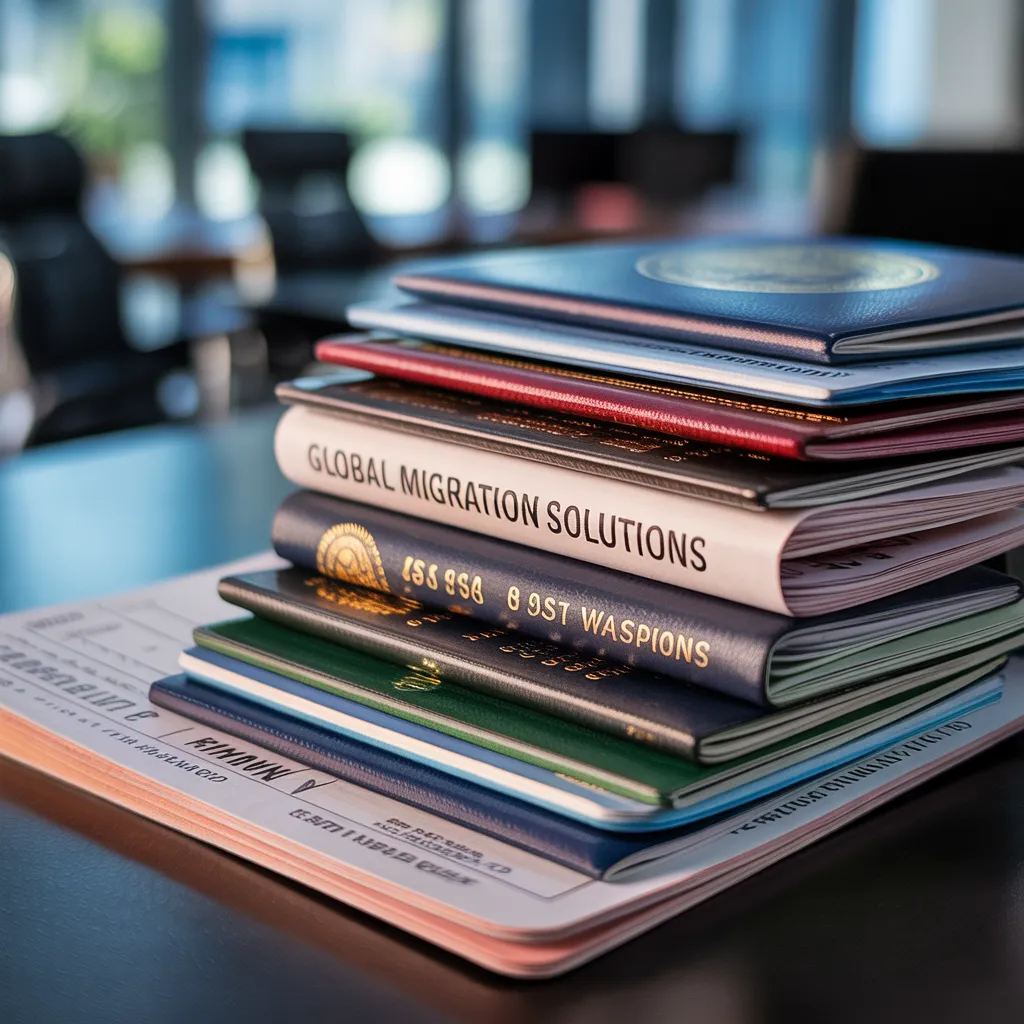
Historic Context of Global Migration
Since migration has molded human societies for millennia, comprehending its historical context reveals the complicated interplay of factors that have motivated people to relocate. From ancient nomadic tribes seeking fertile lands to the establishment of trade routes, migration has been essential to cultural exchange and economic development. The movement of peoples during major historical events, such as the fall of empires, the spread of religions, and colonial expansions, illustrates the adaptive nature of humans in response to shifting environments and opportunities. The transatlantic slave trade, for instance, not only shattered timely resource lives but also reshaped demographics and economies on both sides of the ocean. In more recent history, conflicts, environmental changes, and globalization have continued to influence migration patterns. Each wave of migration has left an permanent mark, contributing to the rich tapestry of cultural identities that define contemporary societies around the globe.
Principal Drivers Behind Migration
While multiple factors play into migration, essential drivers commonly emerge from a combination of economic, social, political, and environmental conditions. Economic opportunities represent a principal catalyst, as individuals look for better jobs, higher wages, and improved living standards. Social factors, including family reunification and the desire for education, also play substantial roles. Political instability, conflict, and persecution can force people to flee their home countries in search of safety and security. Furthermore, environmental challenges, such as climate change, natural disasters, and resource scarcity, increasingly drive migration as communities become uninhabitable. These interconnected drivers create complex migration patterns, influencing the demographics and dynamics of both origin and destination countries. Understanding these drivers is critical for addressing the multifaceted nature of migration and developing effective policies to manage its implications globally.
The Consequences of Migration for Host Countries
Migration considerably affects host nations, notably through the economic impact of migrants. While they commonly fill labor shortages and stimulate growth, the integration of diverse populations introduces considerable social challenges. Understanding these dynamics is vital for establishing effective policies that leverage benefits while addressing integration matters.
Economic Contributions of Migrants
Vast numbers of migrants have considerably affected the economies of host countries, frequently filling vital labor shortages and contributing to economic growth. Their presence can energize diverse sectors, including agriculture, construction, and healthcare, where local labor may be inadequate. Migrants often bring wide-ranging skills and experiences, advancing innovation and productivity within the workforce. Furthermore, they contribute to public finances through taxes and consumption, supporting local economies. Small businesses frequently benefit from the entrepreneurial spirit of migrants, who create jobs and drive demand for goods and services. Overall, the economic contributions of migrants not only support pressing labor needs but also foster long-term economic resilience and competitiveness in host countries, highlighting their integral role in shaping modern economies.
Social Integration Obstacles
While migration can enhance host societies culturally and economically, it also presents substantial social integration challenges. Host countries often struggle with language barriers, which can hinder communication and constrain access to critical services. Additionally, cultural differences may cause misunderstandings and social tensions, creating an environment of xenophobia or discrimination. This can lead to the marginalization of migrant communities, restricting their ability to participate fully in society. Economic disparities can further exacerbate tensions, as host communities may view migrants as competition for jobs and resources. Successful integration policies are essential to tackle these difficulties, fostering inclusivity and cultivating understanding. Finally, successful social integration serves both migrants and host communities, building a increasingly cohesive and resilient society.
Problems Experienced by Migrants
When people pursue improved prospects and security, they regularly confront a multitude of obstacles that make their paths more difficult. Monetary struggles represent a considerable impediment, with several migrants encountering job scarcity or inadequate work in their countries of residence. Language barriers further exacerbate these problems, obstructing interaction and availability of critical resources. In addition, legal obstacles, including intricate immigration systems and lack of documentation, can make migrants exposed to mistreatment and bias.
Social isolation remains another obstacle, as migrants may face challenges in creating connections in unknown settings. Cultural variations can cause misunderstandings and intensify feelings of alienation. Mental health issues, originating from trauma or the stress of displacement, frequently remain unaddressed due to stigma or lack of resources. Combined, these challenges emphasize the complicated terrain migrants must navigate, underscoring the need for extensive support mechanisms to foster their integration and well-being in unfamiliar communities.
Humanitarian Response Strategies and Policy Structures
Recognizing the pressing needs of migrants, humanitarian initiatives and policy frameworks have evolved to address the challenges of global migration. These frameworks are created to preserve the rights and dignity of migrants while ensuring their access to essential services. Governments and international organizations work together to create policies that enable safe and orderly migration, emphasizing the significance of human rights and humanitarian principles.
Humanitarian initiatives frequently involve urgent aid, like food, shelter, and medical care, along with long-term assistance intended for integration and resettlement. Various international agreements, for instance the Global Compact for Safe, Orderly and Regular Migration, supply guidelines for countries to improve their response capacities. In addition, civil society organizations serve a vital role in supporting migrant rights and delivering practical help. In the end, productive humanitarian responses and solid policy frameworks are critical in mitigating the challenges experienced by migrants in an increasingly interconnected world.
How Technology Influences Migration
Digital innovation plays a crucial part in forming migration patterns and experiences. Digital platforms enable the connection between migrants and resources, while communication tools boost access to information and support networks. In addition, data analytics furnish insights into migration trends, shaping policies and responses.
Digital Tools for Migration
A substantial amount of migrants presently depend on digital platforms to handle their journeys, transforming the migration landscape. These platforms function as crucial resources, providing information on routes, legal requirements, and available services. They foster connections between migrants and local communities, reinforcing support networks and encouraging integration. Furthermore, online job boards and housing platforms permit migrants to access career options and accommodation options more easily. Social media also fulfills an essential role in sharing experiences and advice, providing migrants with useful insights from those who have successfully undertaken similar paths. All in all, digital platforms not only simplify the migration process but also contribute to a sense of community and shared purpose among migrants worldwide, appreciably molding their experiences and outcomes.
Messaging Tools' Impact
Modern communication technologies have transformed the way migrants connect with family, friends, and support networks across their relocation processes. The emergence of smartphones and social media platforms has made immediate interaction achievable, enabling migrants to share their experiences and request help in real-time. Tools such as WhatsApp, Facebook, and Skype enable continuous connections, providing emotional support and reducing feelings of isolation. Additionally, these tools empower migrants to access essential information regarding their rights, employment opportunities, and legal resources in their host countries. Virtual groups also foster a sense of community and unity among migrants from similar backgrounds, improving their adaptation process. Overall, technology plays a vital role in empowering migrants, helping them handle the complexities of their new environments more effectively.
Data Analytics in Migration
Data analytics integration into migration processes has significantly improved the understanding of migration patterns and trends. By examining vast amounts of data from various sources, including social media, immigration records, and economic indicators, researchers and policymakers can identify factors influencing migration decisions. This analytical approach facilitates the forecasting of migration flows, aiding in predicting potential challenges and opportunities. Moreover, data analytics facilitates more effective resource allocation by identifying areas in need of support or intervention. Additionally, technology-driven platforms allow real-time monitoring of migration dynamics, fostering timely responses to emerging issues. Overall, the application of data analytics provides an all-encompassing framework for addressing the complexities of global migration in an increasingly interconnected world.
Future Trends in International Migration
With climate change accelerating and global political tensions escalating, future trends in global migration are expected to shift dramatically. Researchers anticipate an escalation in environmental refugees as rising sea levels, extreme weather events, and resource scarcity force communities to relocate. Regions such as Sub-Saharan Africa and South Asia may experience increased emigration, aggravated by fiscal instability and civil discord.
Moreover, trends in urbanization will likely lead to massive population movements towards megacities, which can present improved opportunities in spite of potential strain and overcrowding on urban infrastructure.
In addition, migration policies could become more and more restrictive in response to security considerations, influencing the movement of individuals seeking asylum or economic possibilities.
In conclusion, technology will play a vital role in defining future migration trends, with innovations facilitating remote work and virtual connections, potentially reducing the necessity for physical relocation. Together, these factors will redefine the landscape of global migration in the upcoming decades.
FAQ
What Role Does Climate Change Play in Global Migration Patterns?
Climate change substantially affects global migration patterns by causing environmental degradation, resource scarcity, and extreme weather events. These factors push individuals and communities to relocate in search of more stable and sustainable living conditions and opportunities.
What Role Do Remittances Play in Migrants' Home Countries?
Remittances significantly strengthen the native countries of migrants by providing crucial financial support. These resources improve household income, boost local economies, and contribute to poverty relief, therefore encouraging development and bettering living standards for households back home.
In What Ways Can Local Communities Help Incoming Migrants?
Local areas can support newcomers by creating inclusive environments, delivering access to schooling and employment options, providing language assistance, encouraging cultural exchange, and building networks that support integration and social cohesion among community members.
What Are the Psychological Impacts of Migration on Individuals?
Relocation can cause multiple mental health consequences for individuals, including depression, anxiety, and challenges with self-identity. Furthermore, experiences of isolation or cultural dislocation may arise, compromising complete mental health and integration into new social settings.
How Do Migrants and Host Societies Experience Cultural Exchanges?
Cultural exchanges between migrants and host societies happen through common traditions, culinary practices, language learning, and social interactions. Such interactions promote mutual understanding, deepen cultural diversity, and contribute to the social fabric of communities.